
Micronutrients refer to the vitamins and minerals your body requires in small amounts but are absolutely vital for overall health. These nutrients are typically categorized into macrominerals, trace minerals, and water- and fat-soluble vitamins. Achieving proper micronutrient intake often comes down to maintaining a balanced, varied diet.
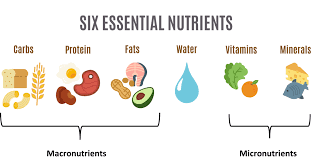
Micronutrients play critical roles in energy metabolism, immunity, brain development, growth, and more. This comprehensive guide explores the different types of micronutrients, their key functions, benefits, and the consequences of both deficiency and overconsumption.
What Are Micronutrients?
Micronutrients encompass all essential vitamins and minerals, which differ from macronutrients like proteins, fats, and carbohydrates because they’re needed in much smaller amounts — hence the term “micro.”
Because the human body cannot synthesize most vitamins and minerals on its own, they must be acquired through diet, making them essential nutrients.
-
Vitamins are organic compounds found in plant and animal sources and can be degraded by heat, air, or acidity.
-
Minerals, however, are inorganic elements found in soil and water and are not broken down by cooking or processing.
By eating a range of foods, you absorb the vitamins created by plants and animals and the minerals they’ve absorbed from the environment. Each food item has a unique micronutrient profile, which is why dietary diversity is key to meeting your nutritional needs.
Types of Micronutrients and Their Roles
Micronutrients are generally classified into four main categories:
-
Water-soluble vitamins
-
Fat-soluble vitamins
-
Macrominerals
-
Trace minerals
Although their functions vary, all these nutrients are absorbed in similar ways and work together in many bodily systems.
Water-Soluble Vitamins
These vitamins dissolve in water and are not stored in the body, which means any excess is typically excreted through urine. As a result, they must be consumed regularly through food.
Most B vitamins serve as coenzymes that support critical chemical reactions, especially those involved in energy metabolism.
Key Water-Soluble Vitamins and Functions:
| Vitamin | Main Function |
|---|---|
| B1 (Thiamine) | Converts food into energy |
| B2 (Riboflavin) | Supports cell function and fat metabolism |
| B3 (Niacin) | Aids in energy generation from food |
| B5 (Pantothenic Acid) | Involved in synthesizing fatty acids |
| B6 (Pyridoxine) | Helps release stored carbs and produce red blood cells |
| B7 (Biotin) | Important for metabolizing fats, proteins, and glucose |
| B9 (Folate) | Crucial for cell division |
| B12 (Cobalamin) | Supports red blood cell formation and neurological health |
| C (Ascorbic Acid) | Essential for collagen production and neurotransmitter synthesis |
Since your body doesn’t store them, regular intake through food is vital.
Food Sources and Daily Recommendations (Adults 19+):
| Nutrient | Food Sources | RDA/AI |
|---|---|---|
| B1 | Whole grains, meat, fish | 1.1–1.2 mg |
| B2 | Dairy, organ meats, eggs | 1.1–1.3 mg |
| B3 | Leafy greens, beans, salmon | 14–16 mg |
| B5 | Tuna, avocado, mushrooms | 5 mg |
| B6 | Potatoes, milk, carrots | 1.3–1.7 mg |
| B7 | Spinach, sweet potatoes, almonds | 30 mcg |
| B9 | Liver, spinach, black-eyed peas | 400 mcg |
| B12 | Shellfish, meat, fish | 2.4 mcg |
| C | Citrus fruits, bell peppers, Brussels sprouts | 75–90 mg |
Fat-Soluble Vitamins
Unlike their water-soluble counterparts, fat-soluble vitamins are absorbed more efficiently when consumed with dietary fats and are stored in the liver and fatty tissues.
Key Fat-Soluble Vitamins and Their Roles:
| Vitamin | Main Function |
|---|---|
| A | Supports vision and organ health |
| D | Helps with calcium absorption and immunity |
| E | Acts as an antioxidant and immune enhancer |
| K | Crucial for blood clotting and bone formation |
Sources and Recommended Daily Intake:
| Nutrient | Food Sources | RDA/AI |
|---|---|---|
| A | Liver, dairy, carrots, spinach | 700–900 mcg |
| D | Sunlight, oily fish, fortified milk | 15–20 mcg |
| E | Almonds, wheat germ, sunflower seeds | 15 mg |
| K | Leafy greens, soybeans, pumpkin | 90–120 mcg |
Macrominerals
These are minerals required in larger quantities and are key to various bodily functions like bone health, fluid balance, and muscle contractions.
Essential Macrominerals:
| Mineral | Main Function |
|---|---|
| Calcium | Maintains bones, muscles, and blood vessels |
| Phosphorus | Builds bones and cell membranes |
| Magnesium | Regulates enzymes and blood pressure |
| Sodium | Manages fluid levels and pressure |
| Chloride | Assists with digestion and fluid balance |
| Potassium | Aids in nerve signaling and muscle function |
| Sulfur | Found in protein-rich tissues |
Sources and Recommended Intakes:
| Nutrient | Food Sources | RDA/AI |
|---|---|---|
| Calcium | Dairy, broccoli, leafy greens | 1000–1200 mg |
| Phosphorus | Yogurt, turkey, salmon | 700 mg |
| Magnesium | Nuts, legumes, dark chocolate | 310–420 mg |
| Sodium | Salt, processed foods | 1500 mg |
| Chloride | Celery, seaweed, salt | 1800–2300 mg |
| Potassium | Bananas, lentils, squash | 2600–3400 mg |
| Sulfur | Eggs, garlic, onions | No RDA established |
Trace Minerals
Needed in tiny amounts, these minerals are no less important and support everything from oxygen transport to immune defense.
Major Trace Minerals and Their Functions:
| Mineral | Main Function |
|---|---|
| Iron | Transports oxygen and supports hormones |
| Manganese | Assists in metabolic functions |
| Copper | Helps with brain development and connective tissue |
| Zinc | Boosts immunity and wound repair |
| Iodine | Regulates thyroid hormones |
| Fluoride | Maintains strong teeth and bones |
| Selenium | Protects against oxidative damage and supports thyroid |
Sources and Daily Requirements:
| Nutrient | Food Sources | RDA/AI |
|---|---|---|
| Iron | Spinach, oysters, beans | 8–18 mg |
| Manganese | Pineapple, nuts | 1.8–2.3 mg |
| Copper | Liver, seafood, cashews | 900 mcg |
| Zinc | Chickpeas, shellfish | 8–11 mg |
| Iodine | Seaweed, dairy, cod | 150 mcg |
| Fluoride | Water, fruit juice, crab | 3–4 mg |
| Selenium | Brazil nuts, sardines | 55 mcg |
Health Benefits of Micronutrients
Micronutrients are central to nearly every bodily process and help:
-
Prevent disease
-
Boost immunity
-
Support brain and nerve function
-
Maintain strong bones and tissues
Many vitamins and minerals function as antioxidants, helping protect cells from oxidative stress — a factor linked to diseases like cancer, obesity, and heart conditions.
Examples:
-
Vitamins A and C may lower the risk of specific cancers.
-
Iron and copper might delay cognitive decline in Alzheimer’s disease.
-
Selenium levels are inversely linked with heart disease risk.
Deficiencies and Toxicity
Deficiencies
Though a balanced diet usually meets micronutrient needs, some populations are more vulnerable to certain deficiencies:
-
Vitamin D: Common in people with limited sun exposure
-
Vitamin B12: A concern for vegans and older adults
-
Vitamin A: Often deficient in developing regions
-
Iron: Lacking in menstruating women, children, and vegans
-
Calcium: Many adults over 50 don’t meet their needs
Each deficiency has its own symptoms and long-term health risks.
Toxicity
Excessive intake of certain micronutrients — especially fat-soluble vitamins — can lead to toxicity, often from over-supplementation rather than food. Symptoms depend on the nutrient and dosage, and some effects may be subtle yet harmful over time.
Micronutrient Supplements
The best way to meet vitamin and mineral needs is through whole foods. Supplements may be helpful for individuals at risk of deficiencies but should be used cautiously and under medical supervision.
Choose third-party-tested supplements and avoid mega-doses unless prescribed.
Final Thoughts
Micronutrients — including vitamins and minerals — are vital for maintaining physical and mental health. By eating a wide variety of nutrient-rich foods, you can usually meet your body’s needs without the risks that come with over-supplementation.
A balanced, diverse diet is the most effective and safest way to ensure proper intake of all essential micronutrients.